At RAFT, we believe that meaningful change begins with the courage to imagine a different future. We support ideas that look at problems differently, trust communities as drivers of progress, and use knowledge to open new pathways for impact.
Enable professional education and quality learning for girls ensuring economic independence, transforming them into future leaders, and improving opportunities in remote communities.
Protect biodiversity, wildlife habitats, and critical ecosystems. Support community-led conservation through science-based solutions.
Drive women's economic empowerment. Build market-relevant skills leading to meaningful careers, higher incomes, and entrepreneurship.
Foster entrepreneurship and innovation to address pressing social challenges. Accelerate the diffusion of technology and AI to underserved communities. Support scalable startup ecosystems.
Expand access to education, employment, and services. Enable skills, livelihoods, and independence while promoting dignity, inclusion, and participation.
Click on any focus area above to jump directly to our partners and projects.
Explore Our Projects ↓Through trust-based partnerships, flexible funding, and sustained collaboration, we walk alongside organisations that turn vision into lasting impact. Each partner leads one or more projects funded by RAFT.
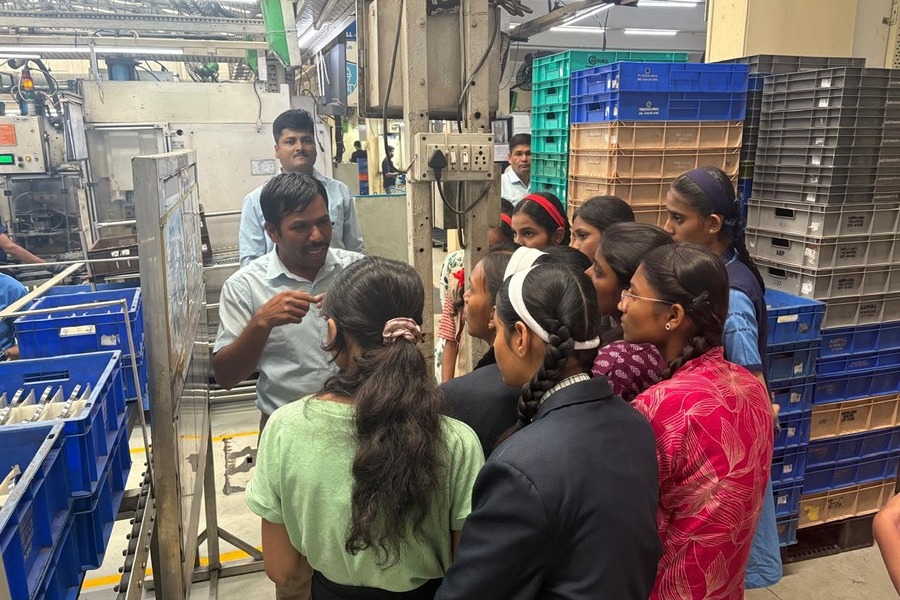
Aatmaja Foundation, a Pune-based non-profit registered under the Bombay Public Trust Act (Reg. No. E-7109), empowers underprivileged girls through education, mentoring, and career guidance. Founded in 2015 with just 20 girls, it now supports over 400 beneficiaries and has positively impacted more than 500 girls across Maharashtra. More than a scholarship program, Aatmaja is a nurturing ecosystem committed to shaping confident, independent, and skilled young women from disadvantaged communities.
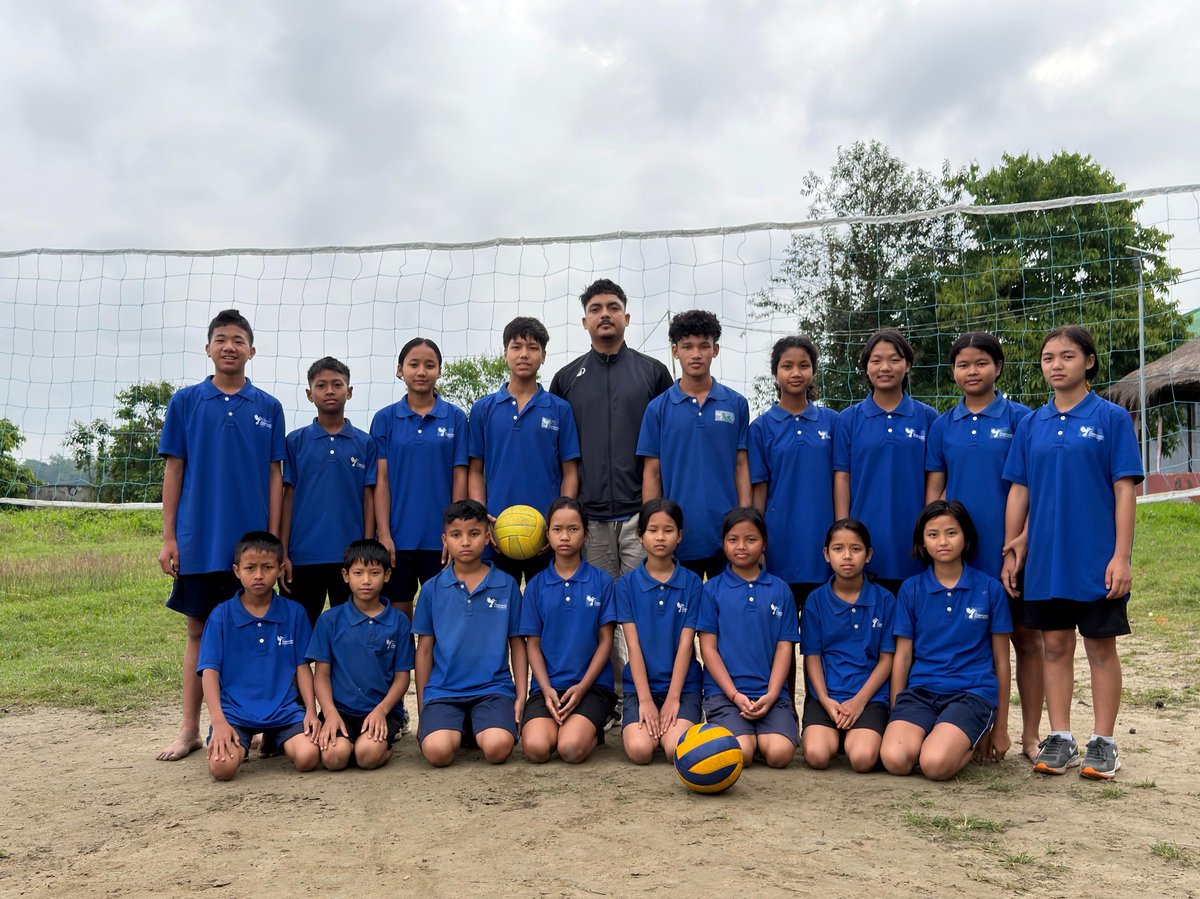
The Hummingbird School operationalizes holistic education for underserved rural, tribal, and remote children aligned with India’s National Education Policy 2020. Beyond academics, it nurtures social, physical, and emotional growth. Educators nationwide visit to train, engage, and take practices back to their communities. Over the years, the school has hosted 500+ educators from multiple organizations, each impacting at least 25 learners—an estimated 12,500 children. Insights also inform Ayang Trust’s education programs across Northeast India, multiplying quality and reach for all.
The Hummingbird School, under Ayang Trust, operates at the intersection of education and resilience in the flood-affected communities of Majuli, which continue to grapple with poor connectivity, fragile infrastructure, and deep-rooted socio-economic challenges. The Hummingbird School has been committed to ensuring access to quality education for these children.
The pedagogy and the curriculum deviate from conventional learning methods, emphasizing experiential learning, inquiry-driven and context-relevant learning. This has allowed the children to connect their education with their lived realities while developing their curiosity, creativity and critical thinking.
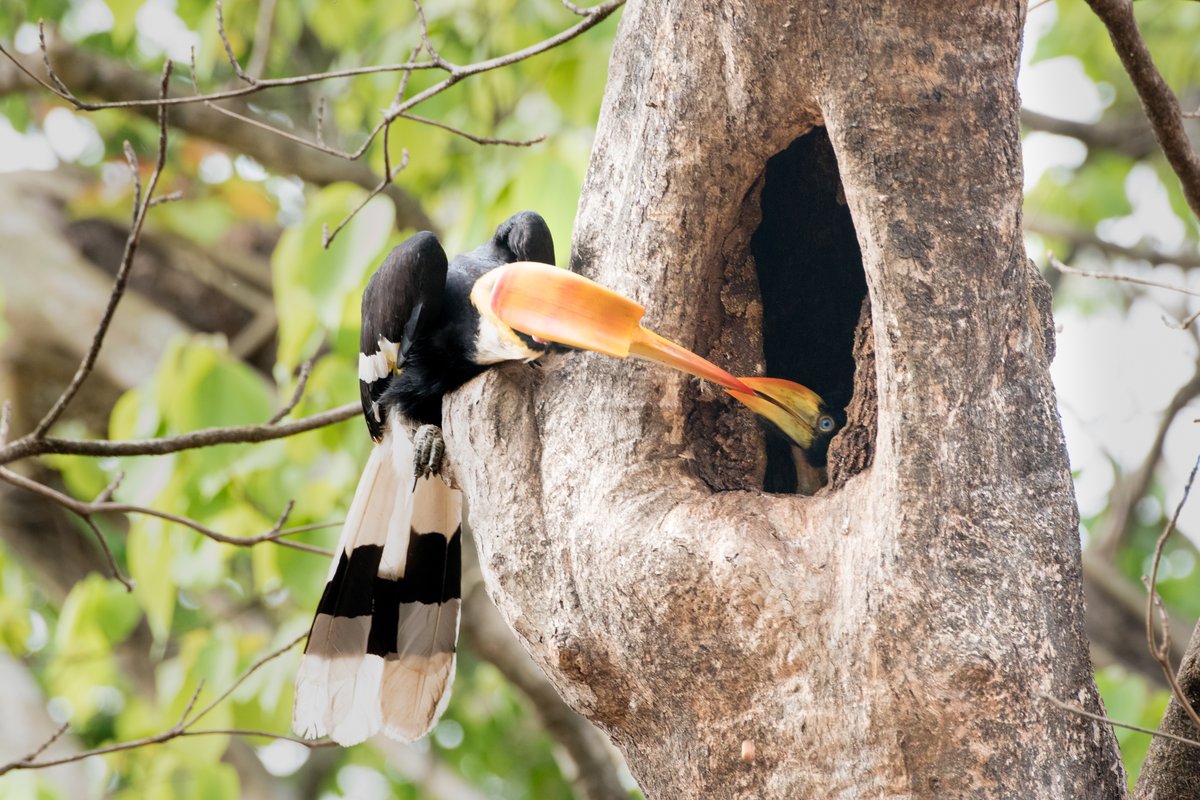
Sahyadri Sankalp Society is a registered non-profit organisation under the Societies Registration Act, 1860, and the Public Trust Act, 1950, working to protect the fragile ecosystems of the Sahyadri region. Founded by ecologists and community leaders, the Society conserves the Western Ghats, a UNESCO World Heritage Site. Through conservation, sustainable development, and community empowerment, it partners with communities, youth, women, and farmers to restore habitats, promote eco-friendly practices, and support sustainable livelihoods for a healthier future.
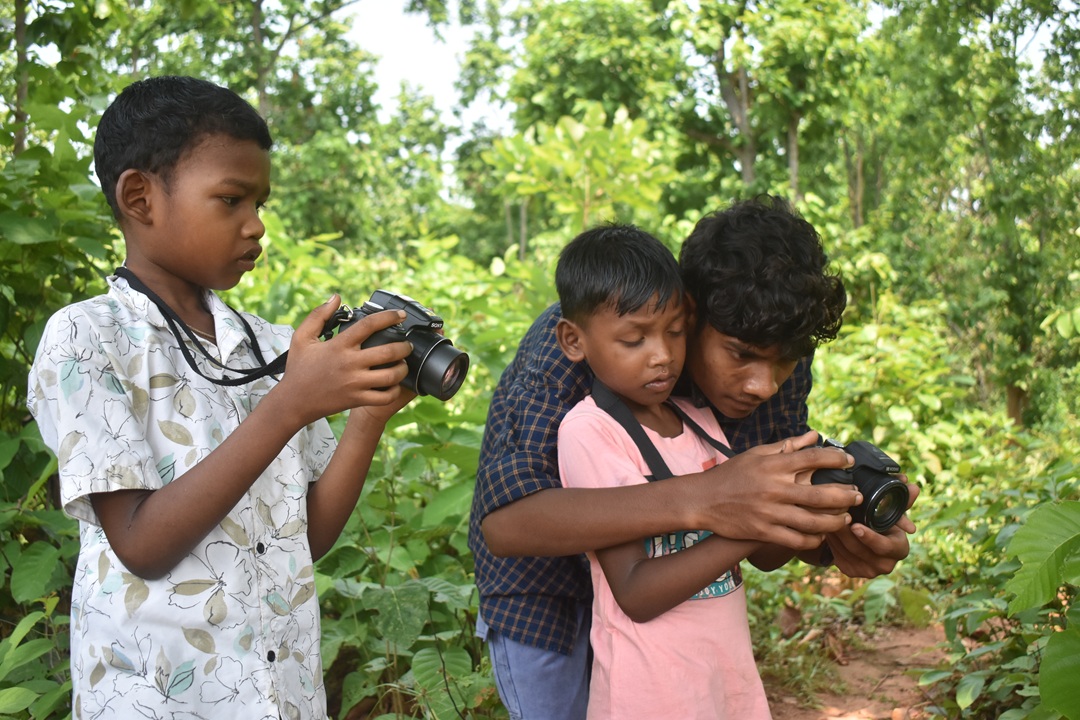
In Southern West Bengal, over 40 mass hunting festivals are documented annually across seven districts — drawing up to 20,000 armed participants and killing thousands of wild animals in a single day. These are not subsistence hunts. They are organised bloodsport.
In these villages, boys are handed catapults as young as age three. By adolescence, participation in mass hunts is a rite of masculinity and belonging. The solution starts with children. When boys in these communities are given cameras, mentorship, and recognition, their relationship with nature shifts fundamentally.
Catapults to Cameras — a critically acclaimed documentary by wildlife filmmaker Ashwika Kapur and HEAL's field team — followed five adolescent boys who voluntarily gave up their catapults and became wildlife enthusiasts and conservation ambassadors. The film earned international recognition, turning a grassroots experiment into a global conversation. This project scales that model.
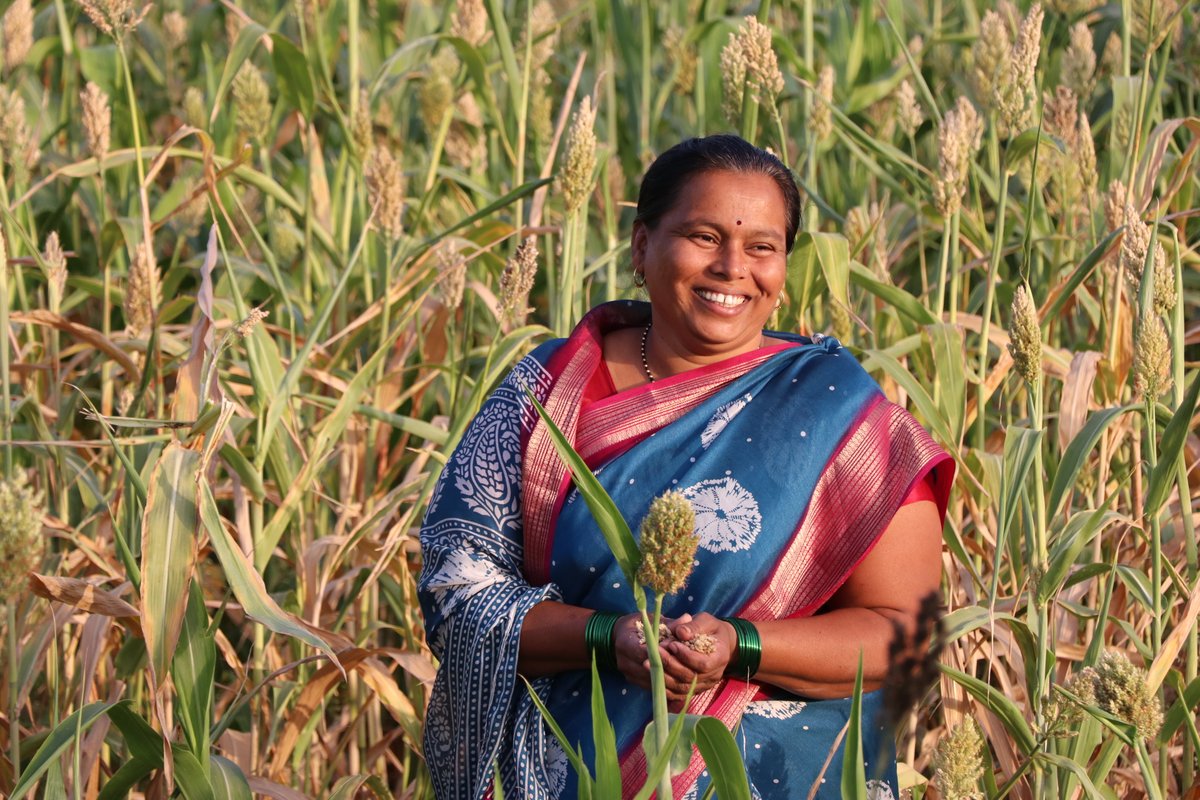
Farmers have largely relied on traditional practices, even though agriculture is a highly technical and scientific field. By focusing on soil, we intervene at the very beginning of the crop cycle, where the foundation of productivity is set.
The project aims to strengthen the capacity and resilience of 1,500 farmers by improving soil health knowledge, introducing climate-smart agricultural practices, and increasing access to emerging agricultural technologies. Through soil testing services, advanced courses on horticulture farming and knowledge sessions on agri-tech, artificial intelligence in agriculture, climate literacy, and scientific farming methods, the project will equip farmers with the tools and information needed to make data-driven decisions.
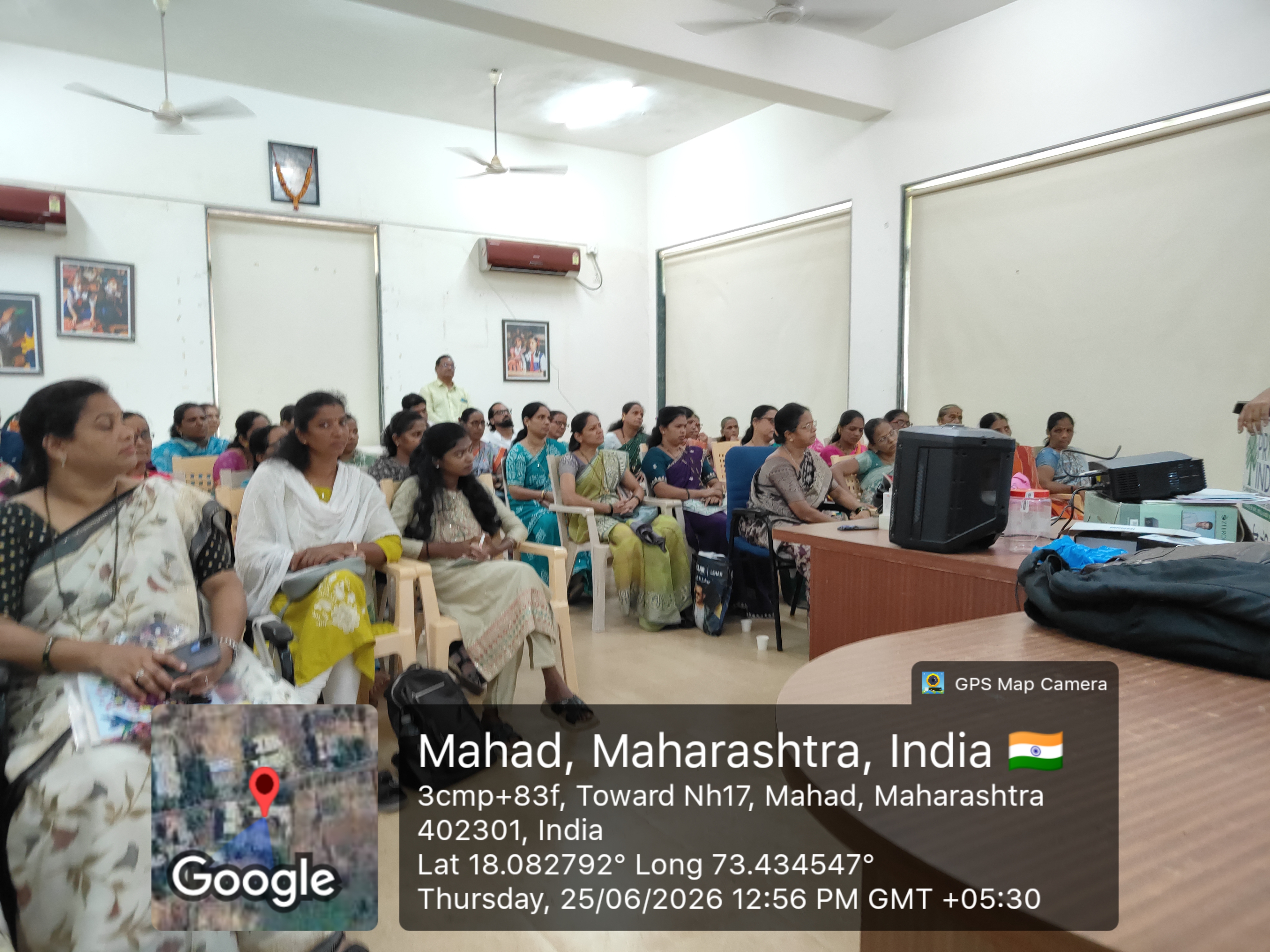
Mahad Taluka in Raigad district faces four compounding challenges:
The Shashwat Vikas Kendra will serve as a localised hub addressing these challenges across three pillars: Natural Resource Management, Livelihood Security and Village-level Governance.
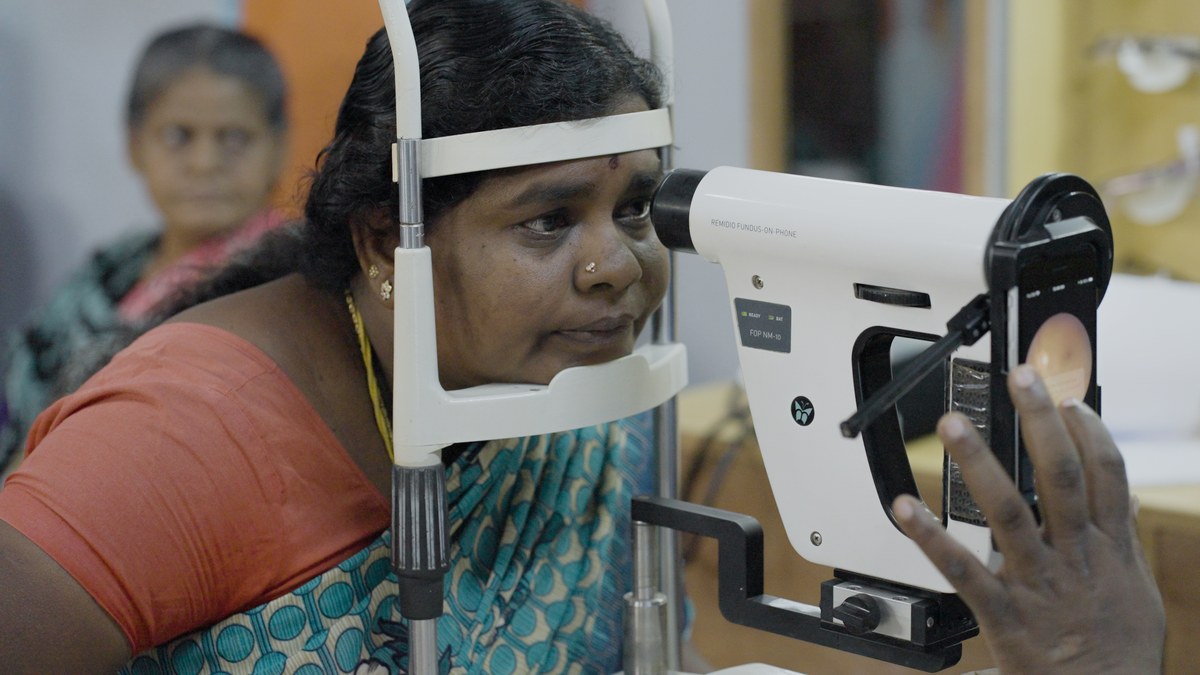
Maharashtra's rate of blindness and visual impairment exceeds the national average. In Mumbai's M/E ward, one of the city's most densely populated slums, nearly 2% of residents are blind and 13% live with visual impairment, yet 66% of that blindness and 84% of that impairment is treatable.
The program takes a pocket-based approach, bringing awareness, community engagement and screening directly into neighborhoods, with at least six months of follow-up to build lasting eye-health habits. ʼSakhisʼ, women from the community are trained on two cutting-edge portable tools: Remidio's split lamp for a thorough anterior eye exam, and a handheld fundus camera that delivers high-quality retinal screening in under a minute.
The goal is to screen and treat preventable causes of blindness — cataract, uncorrected refractive error, glaucoma, and diabetic retinopathy, while building a sustainable model through links to existing government schemes and strengthening the community's long-term access to and habits around eye care.
Venture Center was set up by the National Chemical Laboratory under CSIR as a non-profit incubator. It was incorporated as the “Entrepreneurship Development Center” and is an approved incubator of the National Science and Technology Entrepreneurship Development Board (DST-NSTEDB) and the Department of Biotechnology’s Biotechnology Industry Research Assistance Council (BIRAC).
India's commitments to COP26 and UNFCCC include reducing GDP emissions intensity by 45% and achieving 50% non-fossil fuel energy capacity by 2030. To meet these goals, initiatives in Clean Energy (CE) and Green Hydrogen (GH2) are crucial for energy independence, reducing reliance on imports, and creating socio-economic benefits.
The Center for Clean Energy (CoE) and Green Hydrogen will focus on:
It will offer services and training programs to startups and stakeholders in the ecosystem. The project will support start-ups developing clean energy, sustainable mobility, environmental technologies, carbon management and circular economy solutions. The CoE is a significant step toward building a self-sufficient and innovative clean energy ecosystem in India.
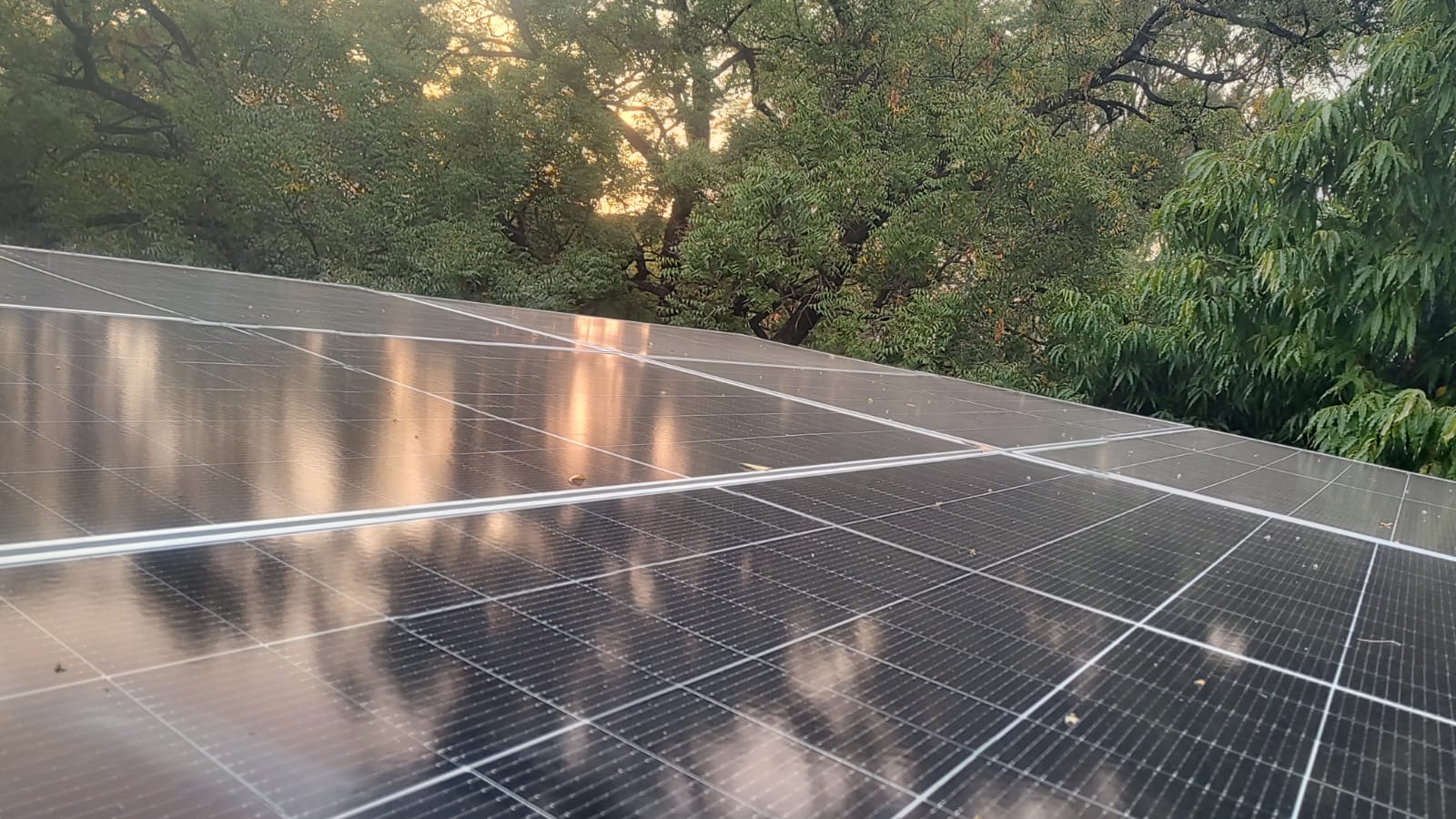
Venture Centre has a goal of 100% renewal energy by 2030. Currently, ~20% is attained through renewable energy. To increase it to 50%, they need to install solar photovoltaic systems covering roughly 10,000 sq.ft of land space and producing 150 KWp of power.
Installing this solar panel system will replace 20-30% grid power usage, replacing conventional fossil fuels with renewable energy.
The annual savings generated through reduced electricity expenditure will be reinvested towards strengthening incubation programmes, startup support activities, and innovation infrastructure, thereby enhancing the long-term sustainability of the incubator.